



Transforming lives through Equine Assisted Psychotherapy and Learning
Compassionate * Professional * Transformative * Healing * Effective * Innovative
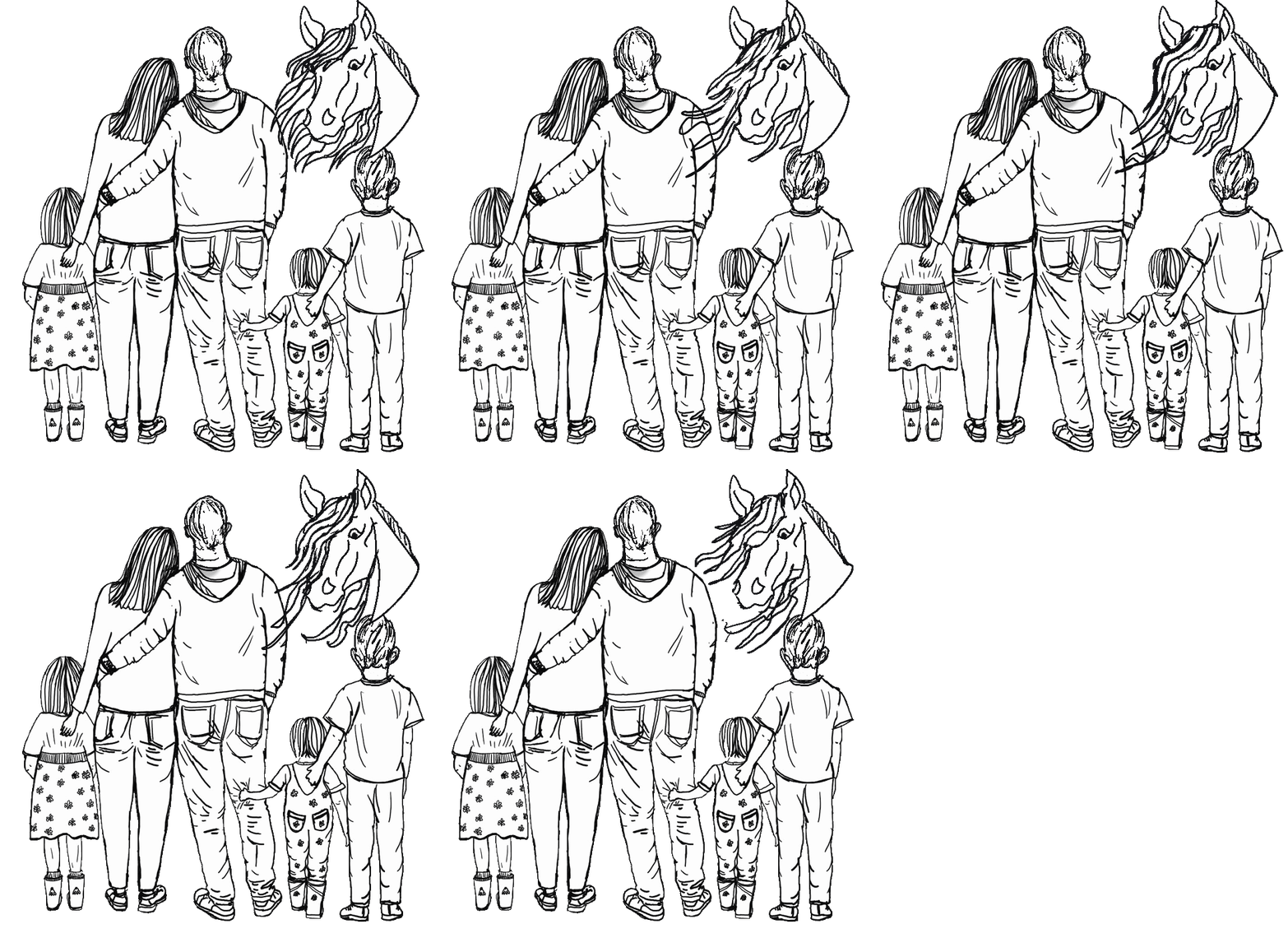
The Benefits of Eagala Sessions for Families and Groups
Exploring the Impact of Equine-Assisted Psychotherapy on Collective Wellbeing
Introduction
Eagala (Equine Assisted Growth and Learning Association) sessions represent an unique approach to psychotherapy and personal development, harnessing the power of interactions with horses to facilitate emotional healing and growth. These sessions are particularly beneficial not only for individuals, but also for families and groups seeking to improve communication, resolve conflict, and strengthen relationships.
Enhanced Communication
One of the primary benefits of Eagala sessions for families and groups is the improvement of communication. Horses, as highly sensitive animals, respond to the non-verbal cues and energy of the people around them. During sessions, participants are encouraged to engage with the horses and each other in a natural, unstructured environment. This process often brings underlying communication patterns to the surface and helps members learn to express themselves more openly and authentically.
Strengthening Relationships
Working together with horses requires collaboration and trust. Families and groups are challenged to solve problems and complete tasks as a team in the presence of the horses, which fosters closer bonds and deeper understanding among members.
The shared experience of overcoming obstacles and learning new skills can create lasting positive memories, strengthening relationships both inside and outside the session.
Conflict Resolution
Eagala sessions provide a safe space for families and groups to address and work through conflicts. Because horses react to emotional tension, disagreements or misunderstandings within the group can quickly become apparent. Facilitators guide participants in recognising these dynamics and exploring healthier ways to communicate and resolve issues. This experiential process often leads to greater empathy and compromise among group members.
Building Emotional Awareness
Horses do not judge or hold preconceived notions, which allows participants to feel accepted and understood during sessions. This environment encourages individuals to explore their feelings, recognise emotional triggers, and develop greater self-awareness. When families and groups engage in this process together, they can support one another in personal growth and foster emotional resilience as a collective.
Supporting Unique Needs
Eagala sessions are highly adaptable and suitable for a wide range of family and group situations, including those dealing with trauma, loss, behavioural issues, or transitions. The non-verbal nature of equine-assisted therapy can be especially helpful for those who struggle to communicate verbally, such as children or individuals with language barriers.
Conclusion
Eagala sessions offer a transformative experience for families and groups, promoting emotional wellbeing, improving communication, and strengthening relationships through the unique connection with horses. By working together in this supportive and natural setting, participants gain valuable insights and skills that can positively impact their lives far beyond the session itself.


